
Welcome to Leadership Insights, a series from Right International. We sit down with senior insurance executives to uncover hard-earned lessons, career-defining pivots, and the critical advice they would pass down to the next generation of insurance talent.
I am delighted to feature Peter Hubbard, Chair of the Board for Dudley Building Society.
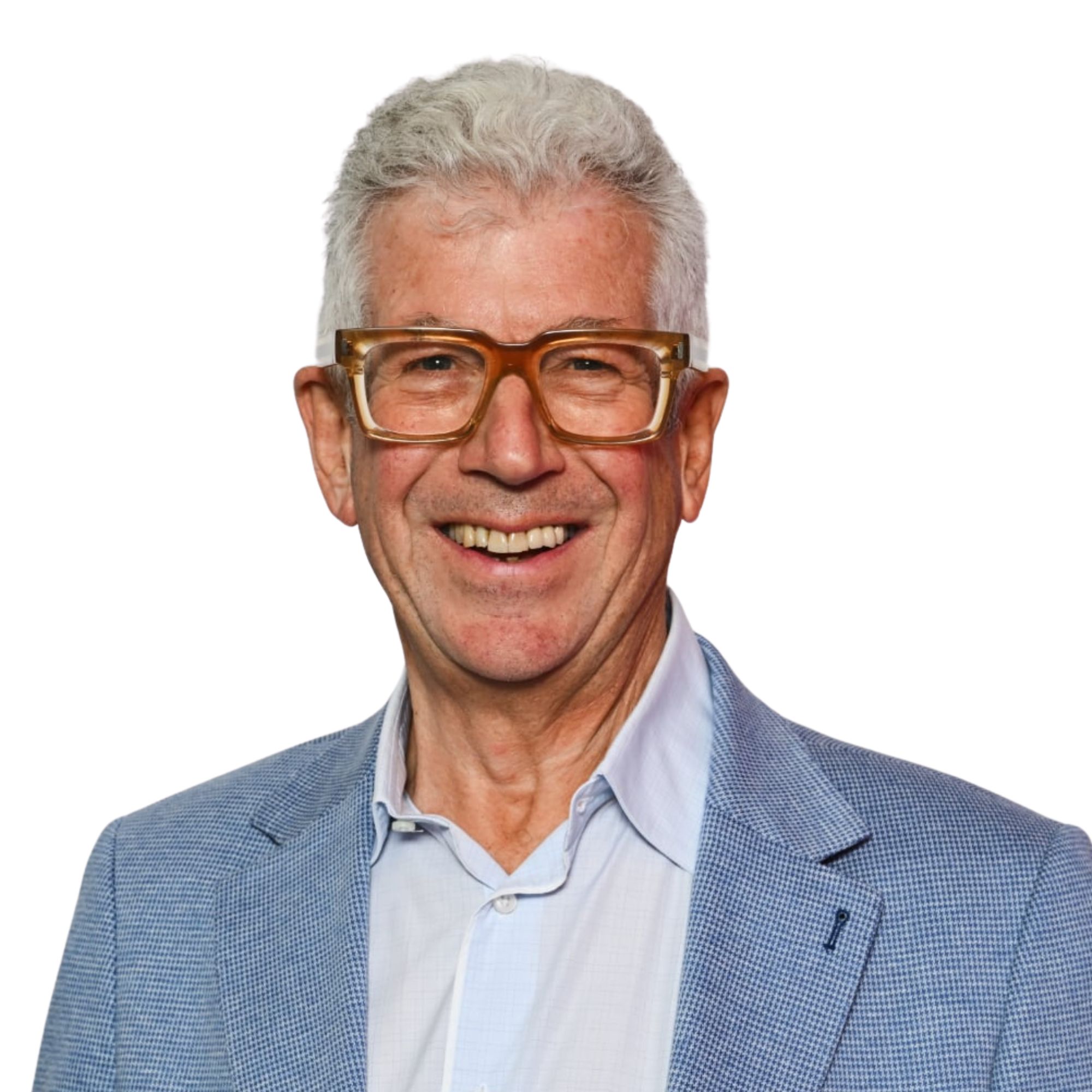 Peter Hubbard is a veteran financial services executive with over three decades of leadership experience across the UK general insurance and banking sectors. He is widely recognised for driving large-scale corporate turnarounds and leading major digital transformations.
During his tenure as Chief Executive of AXA Insurance, he executed a radical restructuring strategy that successfully returned the business to profitability. He also served as Group CEO of UK General Insurance, successfully consolidating the business into a managing general agent powerhouse, and as Chair of Co-op Insurance, where he steered its strategic digital modernisation.
Peter began his career at Lloyds Bank. He currently leverages his extensive governance experience as the Chair of the Board for Dudley Building Society.
Guided by a philosophy of high autonomy and absolute clarity, Peter is a passionate advocate for leading with empathy, emotional intelligence, and accountability. In this interview, he shares the defining choices, risks, and hard-earned lessons that shaped his approach to modern corporate leadership.
Defining Career Lessons
What was the point of largest impact in your career?
It was during the integration of Lloyds Bank and TSB. As a result of the merger, the enlarged group had three businesses all competing in the same space, and a strategy for unification was needed.
I led this review and concluded that the businesses should amalgamate into a single location. At the time, there were three of each director and three CEOs. I was the CFO.
I made a very personal decision to do the right thing for the new business, regardless of whether I would end up with a role myself, as redundancies were clearly required. I’ve always stuck with this principle regardless of personal impacts. The result has been deeply satisfying at a personal level, and it has always resulted in far bolder decision-making.
What has been your biggest failure, and what did it teach you?
As I fundamentally believe we cannot achieve anything without great people and great teams, my biggest failure was allowing myself to be overly influenced by external forces (such as group politics) and allowing a team member to join who patently was never going to be a team player.
It had a negative impact on the team, the business, and me. Remembering that the team is critical was a key lesson.
What is the largest risk you have ever taken?
Persuading my shareholders to invest £180m in acquisitions to bring the business into a new state—and then reverse-engineering our existing business into one of those acquisitions.
Self-cannibalisation can be an important part of strategy when it becomes clear that the internal culture has become a blocker to creating a unique business proposition.
How has your perspective on management evolved over time?
As my position—and me personally—has matured, I have become an increasing believer in letting people get on with the jobs we pay them for, and only providing help and guidance.
I see too many examples of excessive control. It gets in the way of moving the business forward, leads to a blame culture, and, frankly, doesn’t create an environment where everyone wants to give their best.
The Future of Leadership
What will the next generation of leaders need to succeed?
The future will require leaders who can motivate and carry their teams on a journey of innovation and discovery. The world moves at a rapid pace, and there are so many examples of businesses being left behind.
Leaders will need an acute understanding of possible futures. They must be able to scan the horizon and work out which trends are real and which are just temporary. They will also need to be open to being challenged by their people and deeply understand where consumers are moving.
As an industry, we still see too many examples of propositions being manufactured to benefit the business rather than the customer. We really have to move away from this if we are to succeed. Meeting emergent needs is going to be more critical than ever before.
How does talent acquisition fit into this future?
Notwithstanding all of this, we are still able to attract great talent. However, this talent will need multiple communication skills to bridge the gaps between “old world” and “new world” thinking. It will require empathy and emotional intelligence to enable the leaders of a new world to emerge.
Words to Lead By
What is the best mentoring advice you have ever received?
The best advice I’ve had was twofold:
- As a junior manager: A friend and colleague challenged me by saying, “Just let your people get on with their jobs.”
- Regarding clarity of purpose as a CEO: We all have doubts, but avoid the use of the word “BUT” when communicating direction. Singular goals are far easier to achieve.
Right International is a leading provider of executive search services to the global insurance sector.
If you are looking to add to your team now or in the near future or are considering your next career move, please contact myself or one of the team.
Follow us on LinkedIn for regular industry updates, leadership articles and latest vacancies.
All the best,
Gary Pike
Founder & MD Right International
garypike@rightinternational.com
Disclaimer: The views and opinions expressed in this interview are those of the interviewee, Peter Hubbard, in his personal and professional capacity as an industry expert. They do not necessarily reflect the official policy, strategy, or position of Right International, Gary Pike, or any specific corporate boards or financial institutions with which he is currently or was previously